
Get Mold Abatement Service in Rockingham County, NH
Mold abatement services for property owners in Rockingham County, NH, and nearby areas address mold removal, remediation, and prevention for residential and commercial spaces.
Mold abatement services are essential for property owners in Rockingham County, NH seeking to improve the safety and overall comfort of their homes and buildings. These services focus on identifying and removing mold growth, which can cause health issues and structural damage if left unaddressed. By working with experienced local contractors, property owners can effectively eliminate mold, reducing potential health risks and preventing mold from spreading further throughout the property.
In addition to health and safety benefits, mold abatement enhances the functionality and durability of a property. Removing mold can help preserve building materials, reduce ongoing maintenance needs, and improve the appearance of the space. Many property owners also consider mold removal as a way to boost curb appeal, making their homes more attractive and maintaining their value over time. Engaging professional mold abatement services provides reassurance that the work is thorough, helping to create a safer, more comfortable environment.
- Mold abatement services are essential for residential or commercial properties experiencing visible mold growth or persistent moisture issues.
- These services are often needed after water damage from flooding, leaks, or high humidity levels in areas like Rockingham County, NH.
- Mold removal may be required in properties undergoing renovation or construction where mold has been detected.
- Mold remediation services are important for buildings with musty odors or health concerns linked to mold exposure.
- Properties with prior mold issues or ongoing dampness may benefit from professional mold abatement to ensure thorough removal.
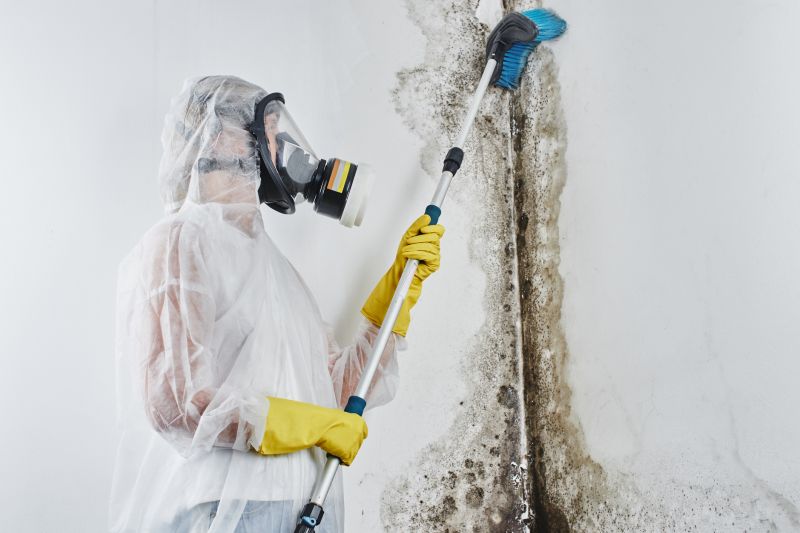
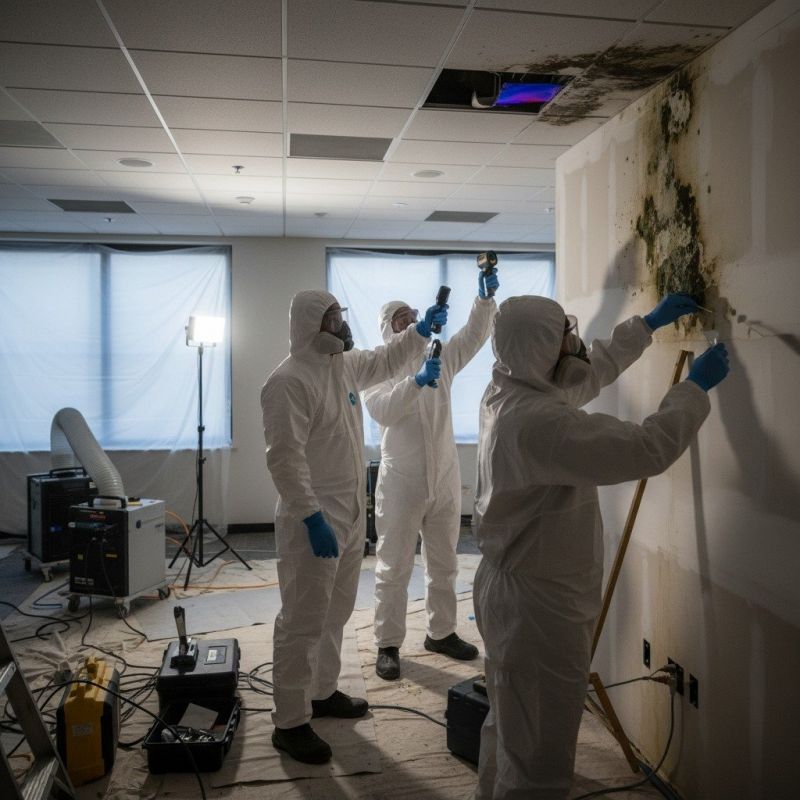
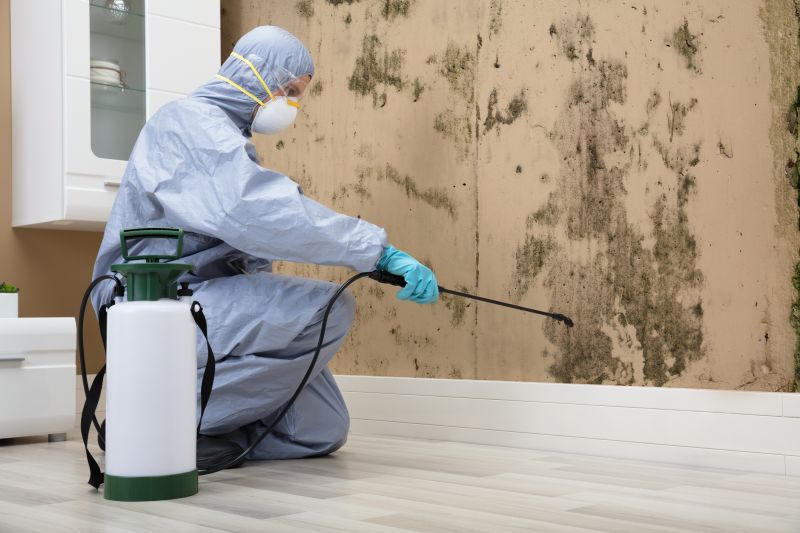
Mold abatement services involve the identification, removal, and prevention of mold growth within indoor environments. Professionals utilize specialized techniques and equipment to detect mold presence, often including thorough inspections and testing. Once mold is located, service providers employ methods such as HEPA vacuuming, chemical treatments, and controlled cleaning to eliminate mold colonies and reduce airborne spores. The goal is to restore indoor air quality and prevent further mold development, which can pose health risks and cause property damage.
These services address common problems associated with mold growth, such as musty odors, visible mold patches, and increased humidity levels that foster mold development. Mold can also lead to structural deterioration, including wood rot and compromised drywall, which may result in costly repairs if left untreated. By removing mold effectively, abatement services help mitigate potential health issues like allergies and respiratory problems, especially for vulnerable populations such as children and the elderly.
Properties that typically utilize mold abatement services include residential homes, especially those with water damage or high humidity environments. Commercial buildings, such as offices, retail spaces, and warehouses, often require mold remediation to maintain a safe and healthy environment for employees and visitors. Additionally, property management companies and landlords may seek mold abatement services when preparing properties for new tenants or after incidents like flooding or leaks.
Professional mold abatement services are essential for addressing mold problems in a variety of property types, ensuring that mold is safely and thoroughly removed. Service providers use effective techniques tailored to each property’s specific needs, whether it’s a single-family residence, multi-unit apartment complex, or commercial facility. Contacting local mold abatement specialists can help property owners and managers resolve mold issues efficiently, safeguarding the integrity of their buildings and the health of occupants.
The overview below groups typical Mold Abatement Service projects into broad ranges so you can see how smaller, mid-sized, and larger jobs often compare in Rockingham County, NH.
In many markets, a large share of routine jobs stays in the lower and middle ranges, while only a smaller percentage of projects moves into the highest bands when the work is more complex or site conditions are harder than average.
Assessment Costs - The initial mold assessment typically costs between $200 and $600, depending on the size and complexity of the affected area. Larger or more complex inspections may reach higher prices, around $700 or more.
Remediation Expenses - Mold abatement services generally range from $1,500 to $6,000, with smaller projects costing closer to $1,500 and larger, more extensive jobs exceeding $6,000. Factors influencing costs include the extent of mold growth and the materials involved.
Containment and Removal - The cost for containment and removal of mold-infected materials can vary from $500 to $3,000, depending on the size of the affected space and the level of contamination. This includes removal of drywall, insulation, or other porous materials.
Post-Abatement Testing - Post-remediation testing to confirm mold removal typically costs between $200 and $800. These tests ensure that mold levels have been reduced to safe levels and are often recommended after abatement work.
Actual totals will depend on details like access to the work area, the scope of the project, and the materials selected, so use these as general starting points rather than exact figures.
Mold Remediation - Local mold abatement service providers specialize in identifying and removing mold growth to improve indoor air quality and reduce health risks.
Water Damage Restoration - Professionals in this field often handle mold abatement as part of restoring properties affected by water intrusion or flooding.
Air Quality Testing - Service providers may offer testing to detect mold presence and advise on appropriate abatement measures to ensure a safe environment.
Building Inspection - Inspectors can identify areas with mold issues during routine or specialized assessments, facilitating targeted abatement efforts.
Property Damage Cleanup - Experts involved in cleaning up after leaks or flooding often include mold removal as a key component of restoring property integrity.
Asbestos and Hazardous Material Removal - Some service providers also handle the abatement of other hazardous materials, including mold, during comprehensive cleanup projects.
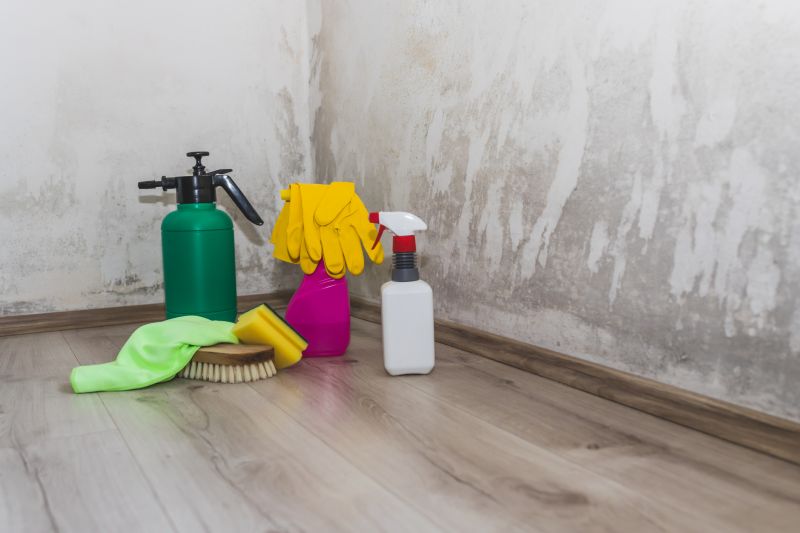
When selecting a mold abatement service provider, it is important to consider the experience of the local contractors. Homeowners should look for professionals who have a proven track record in handling mold removal and remediation projects similar in scope and complexity. An experienced service provider can typically demonstrate familiarity with various types of mold issues, effective containment procedures, and proper cleanup techniques, ensuring the work is performed thoroughly and efficiently.
Clear communication and written expectations are essential components of a successful mold abatement process. Reputable local pros often provide detailed documentation outlining the scope of work, the methods to be used, and the anticipated outcomes. This transparency helps homeowners understand what to expect and facilitates a smoother remediation experience. Establishing open channels of communication can also assist in addressing questions or concerns promptly, reducing the potential for misunderstandings.
Reputable references and a history of reliable service are key indicators of a trustworthy mold abatement provider. Homeowners are encouraged to seek out local contractors with positive feedback from previous clients and a consistent record of quality work. When evaluating options, it can be helpful to inquire about references or reviews from past projects in the area. Effective communication, backed by verified references, can make the process of selecting a local mold abatement service more straightforward and confidence-inspiring.
Property owners in Rockingham County, NH use Mold Abatement Service services for practical projects around their homes and businesses. The sections below highlight everyday jobs and straightforward project options.
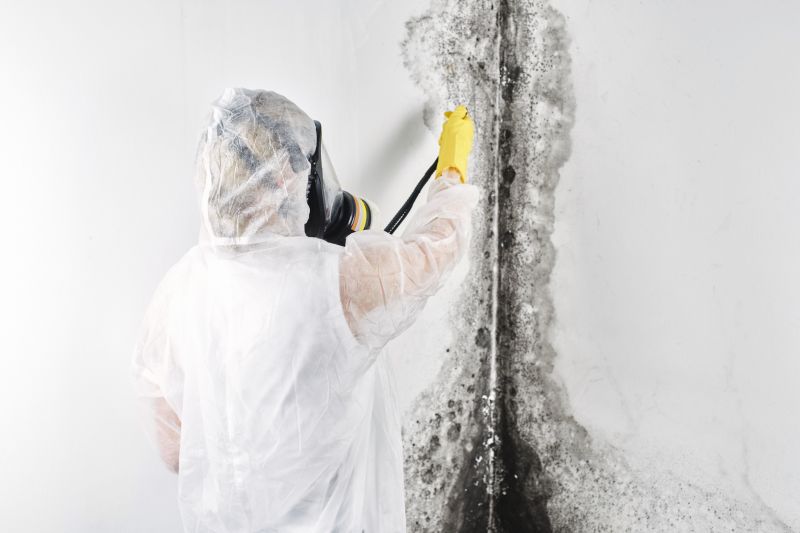
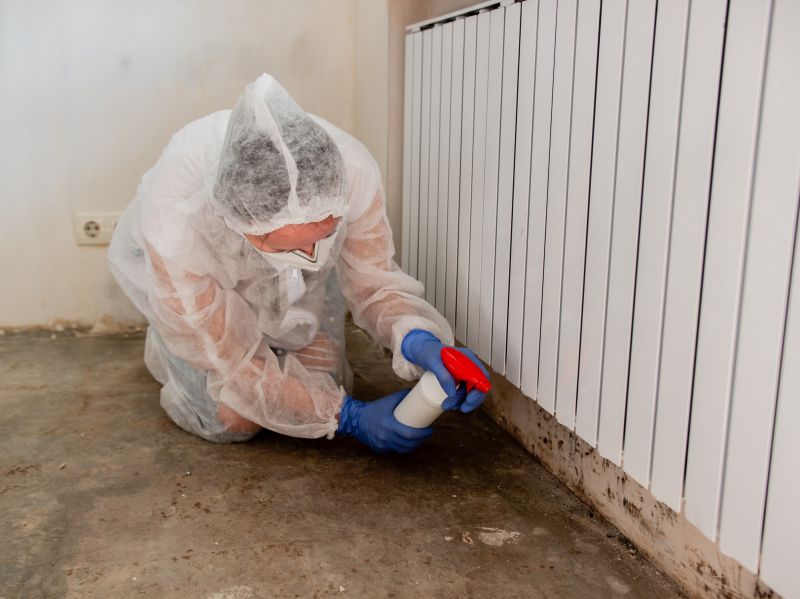
Mold abatement services are often sought by property owners in Rockingham County, NH, who notice signs of mold growth in their homes or commercial buildings. Common situations include visible mold patches on walls, ceilings, or other surfaces, as well as musty odors that indicate hidden mold issues. Property owners may also pursue mold removal after water damage or leaks, aiming to improve indoor air quality and prevent potential health concerns associated with mold exposure.
In addition to visible mold, some property owners seek mold abatement when experiencing ongoing allergy symptoms or respiratory issues that could be linked to mold presence. Mold remediation is also a concern for those preparing to sell or rent out a property, ensuring the space is safe and compliant with health standards. Local service providers can assist with assessing the extent of mold growth and implementing appropriate removal methods.
What is mold abatement? Mold abatement involves the removal and cleaning of mold growth in indoor spaces to improve air quality and prevent health issues.
How do professionals perform mold abatement? Local mold abatement specialists assess the affected areas, contain the mold, and use specialized techniques and equipment to remove mold and prevent its spread.
Is mold abatement safe for my home? Professionals follow safety protocols during mold removal to minimize exposure and ensure the environment is properly cleaned.
How long does mold abatement typically take? The duration depends on the extent of mold growth and the size of the affected area, with most projects completing within a few days.
How can I prevent mold growth after abatement? Proper ventilation, controlling humidity levels, and addressing leaks promptly can help prevent future mold growth.
Mold Inspection and Assessment - Professional mold inspectors can evaluate affected areas to determine the extent of mold growth and identify underlying moisture issues.
Mold Remediation Planning - Local service providers can develop effective plans to safely remove mold and prevent future growth.
Containment and Air Filtration - Experts use specialized equipment to contain mold spores and improve indoor air quality during abatement.
Post-Abatement Verification - Professionals can perform clearance testing to ensure mold has been properly removed and the area is safe.
Considering Mold Abatement Service for a property in Rockingham County, NH? The sections above highlight common project types, practical options, and details that often shape the scope of work.
When you are ready, use the quote form to share a few details about your project. Local pros can review the basics and respond with options that match what you have in mind.